
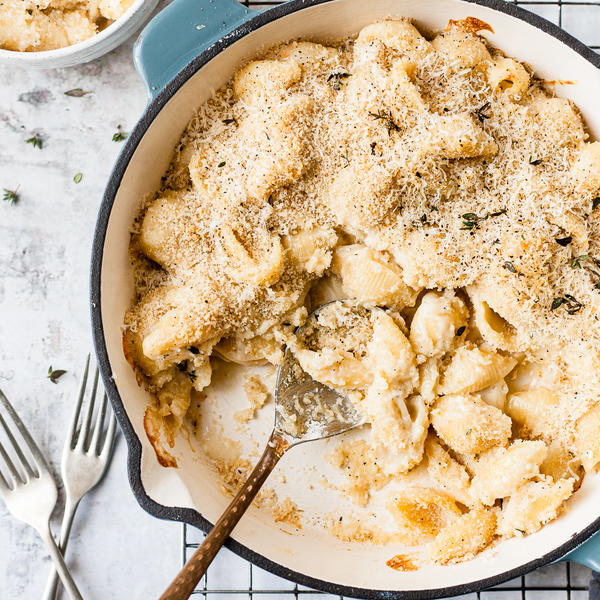
Guest poster Marcela shares: If you’re a gardener, growing herbs can be a challenge, but it’s the sort gardeners like to win. The flavor is superb, and the inevitable contrast is with store bought herbs. Try this yummy recipe for artichokes with herbs and see for yourself. Most gardeners will tell you that their own herbs are as good as cheap home insurance, and there’s a good reason for that. There actually is a quality difference.
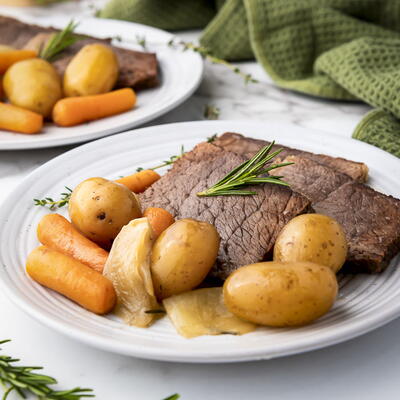
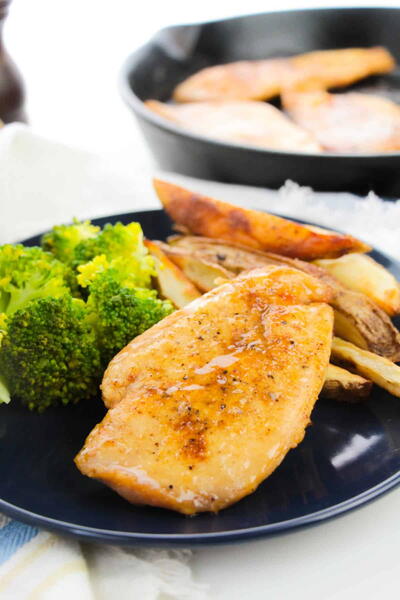
Most manufacturers don’t do anything fancy or destructive to their herbs. They dry them, chop them, and try to concentrate the herbs, and in all fairness, they do a pretty good job of it. They don’t use additives or mysterious chemicals, mainly because they don’t need them. Herbs contain their own natural oils which are both aromatic and pervasive, and as long as they’ve been dried properly, there’s not much loss of flavor. Try this recipe for baked chicken with Dijon and balsamic vinegar and you’ll understand.
The difference is the actual chemical state of the herbs when cooked. It’s a matter of biological fact that when picked, all plants undergo rapid chemical changes caused by cessation of osmosis. In a few hours, these changes can alter the chemical composition of the plants. This is something you can test for yourself, seasoning different dishes with both home grown and store bought herbs.
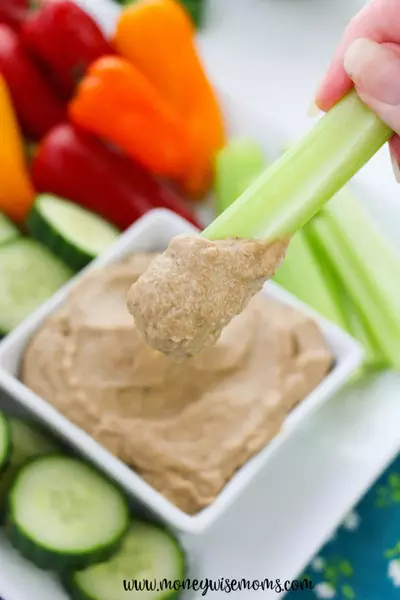
Fresh picked herbs have about one to two hours before those chemical changes take place. They result in a sort of dulling of the flavor, which is almost unnoticeable in the strong aromas, but it’s clearer in the taste. Store bought herbs vary considerably as a result of the chemical changes, but when processed, become homogenized, and don’t deteriorate further. Make this delicious restaurant copycat recipe for Carrabba’s Italian Grill bread dip mix. YUM.
To test this, try a range of dishes with a selection of store bought herbs and the same herbs which you’ve grown yourself. Pick your own recipes, but there is one suggestion: Chicken dishes. Chicken provides a great palette for herbs, and the herbs stand out very well in sauces, marinades, etc.
Preparing Fresh Herbs
The only additional step with using fresh herbs the same way as store bought herbs is that they must be chopped fine. The plant tissues are tough, and to release the oils and flavors, a bit of extra work is required.
Fresh herbs should be cooked immediately or eaten ASAP. Cooking expands the plant tissues and releases liquid oils. (This is similar to the bergamot in Earl Grey tea effect, and a bit of stirring will distribute the oils properly).
An alternative to chopping is garnishing, using fresh sprigs of herbs. This looks great, but remember to remove any hard or woody pieces, and do not use long sprigs which may get stuck in the throat. Sprigs should be smallish, bite size, soft, and easy to eat.
The comparison so far is that home grown herbs beat store bought, easily. The concentrations of flavor are much higher, and the fresh plant tissue provides added water, which enhances taste sensations. Thyme, in particular, notably lemon thyme, is dazzling as a fresh herb, particularly with chicken. It is also featured very nicely in this adult beverage recipe called Thyme for Romance.

An herb garden is the gardener’s equivalent of contents insurance. Whatever else is on the menu, the flavor can be guaranteed. Remember, some of the best ever dinner recipes use herbs, like this scrumptious lamb with garlic and herbs.
What’s your favorite way to use herbs? Post a comment or send us an email to let us know.


I didn’t know that herbs, like vegetables such as broccoli, are altered after cooking–and even picking! I was surprised to find that the properties change as quickly as two hours after picking. This article inspired me to develop my own herb garden.